


Corrosion Inhibitor for Chiller
Classification of corrosion inhibitors for lithium bromide solution
Lithium chromate: original product, the best choice for price and performance.

Lithium chromate is a commonly used corrosion inhibitor for lithium bromide refrigerators. The solution is orange liquid. In the alkaline lithium bromide solution, a dense corrosion-resistant protective film is formed on the surface of the carbon steel in the inner cavity of the unit to increase the service life of the unit.
Storage method: Store in a cool and dry environment.
Basic parameter index
Conventional concentration 30%, 40%
Packing 5KG/barrel
Addition amount 0.15%-0.25%
Transport Document SDS
Commodity display-packaging
Front of the package

Reverse side of package

Overall packaging

Main features: Lithium chromate can form a hard anti-corrosion layer on the surface with strong corrosion resistance.
Lithium chromate is detectable, easy to manage, and can be added at any time.
Wide range of uses
Used as a solution corrosion inhibitor in absorption refrigeration equipment to slow down the corrosion of the solution to the chiller.
Show details
Label display

Color display

Packing display

Related documents
SDS chemical transportation certificate
Note: This substance may be harmful to the environment, so special attention should be paid to water bodies.
Lithium molybdate: a denser and more uniform protective film

Lithium molybdate is a commonly used corrosion inhibitor for lithium bromide refrigeration equipment. The solution is a colorless and transparent liquid. In the alkaline lithium bromide solution, a dense corrosion-resistant protective film is formed on the surface of the carbon steel in the inner cavity of the unit to increase the service life of the unit.
Storage method: Store in a cool and dry environment.
Basic parameter index
Conventional concentration 20±0.5%
Packing 1KG/barrel
Adding amount 0.005%-0.03%
Specific gravity 1.18-1.2
PH value 11.0-13.0
NH4+ ≤0.001%
Fe3+ ≤0.05%
SO42- ≤0.02%
Ca2+ ≤0.01%
Mg2+ ≤0.01%
Na+K no precipitation
Commodity display-packaging
Overall packaging

Product details: label

Main features: The anti-corrosion layer using lithium molybdate stroke is soft, with a thickness of about 0.01mm, and it is not easy to crack.
The oxide film formed on the surface is relatively uniform.
Why add corrosion inhibitors and surfactants to the lithium bromide solution?

Lithium bromide solution is a salt composed of halogen element bromine (Br) and alkali metal element lithium (Li). Lithium bromide solution is corrosive to metal materials, and it is a strong corrosive medium for metal materials such as carbon steel and copper commonly used in lithium bromide absorption units. The role of oxygen and metal is the main factor of corrosion. Under the action of oxygen, metallic iron and copper react with oxygen and water in an alkaline lithium bromide solution to form hydroxides, which eventually form corrosion products such as ferroferric oxide. The electrons lost by the oxidation of iron and copper combine with the hydrogen ions in the solution to generate hydrogen, which is a non-condensable gas.
Therefore, isolating the system from oxygen is the most fundamental anti-corrosion measure. Always maintain a high degree of vacuum in the system, charge nitrogen for maintenance or maintain the vacuum during shutdown, and add corrosion inhibitors to the solution to isolate oxygen and inhibit the corrosive effect of lithium bromide solution. The corrosion inhibitor added to the solution forms a protective film on the metal surface through a chemical reaction to prevent it from being attacked by oxygen or less, thereby producing an anti-corrosion effect. Lithium chromate or lithium molybdate is usually used as corrosion inhibitor. If lithium chromate is used as a corrosion inhibitor, chromium hydroxide is the main component of the protective film. Add 0.1% to 0.3% lithium chromate to the lithium bromide solution, and adjust the pH value in the range of 9 to 10.5. Has a good corrosion inhibition effect. The solubility of lithium chromate in lithium bromide solution is very small. In the early stage of refrigerator operation, more lithium chromate is consumed to form the protective film. After running for a period of time, the protective film gradually thickens and the concentration of lithium chromate decreases, which can be supplemented according to the situation.
The Influence of Lithium Bromide Solution Quality on the Chiller
Lithium bromide solution is to the lithium bromide unit, just like blood is to the human body, and the quality of blood is directly related to the health of the body. So today, let's learn about the impact of the quality of lithium bromide solution on the "health" of the unit.
About lithium bromide solution
Firstly, let's take a look at lithium bromide solution:
Lithium bromide solution can be formed by dissolving lithium bromide (solid) in water. Its main components are lithium (Li) and bromine (Br), which belong to alkali metal and halogen group elements respectively. Their properties are similar to table salt (NaCl) and generally do not deteriorate, decompose, or evaporate in the atmosphere.
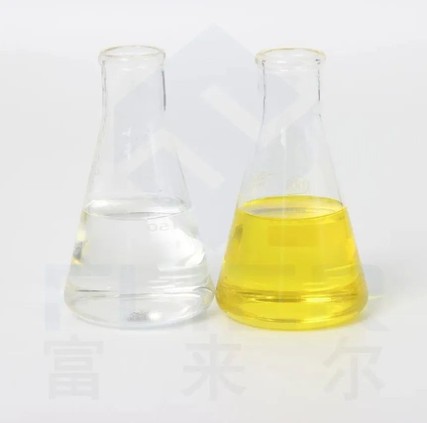
Lithium bromide solution is a colorless and transparent liquid, with a salty and bitter taste at the entrance and a slight itching when splashed on the skin. After adding lithium chromate, the solution turns slightly yellow, and after adding lithium molybdate, it appears colorless and transparent.
Factors affecting the corrosiveness of lithium bromide solution to metals
Lithium bromide solution is corrosive to metals, and its related influencing factors include:
1. Solution temperature. When the solution reaches above 165 degrees Celsius, its corrosiveness will sharply increase;
2. Solution pH or lithium hydroxide concentration. The pH value of the solution is generally between 9.0 and 10.5, and it is acidic when it is less than 7, causing severe metal corrosion. When it is greater than 11.5, it will also exacerbate corrosion;

3. The mass fraction of lithium bromide in the solution. Metal iron and copper in an alkaline lithium bromide solution will combine with oxygen to form iron and copper oxides, such as iron tetroxide or copper hydroxide. At the same time, the electrons lost by oxidation of iron and copper combine with hydrogen ions (H+) in the solution to generate non condensable gas H ₂.

The basic condition for the above reactions is the presence of oxygen. Therefore, isolating oxygen is the most fundamental measure to avoid internal corrosion and solution pollution in the unit.
Problems with the unit after solution contamination
The quality of lithium bromide solution directly affects the performance of lithium bromide absorption units. The solution is like the blood of an absorption unit. When the 'blood' is contaminated, the unit will experience various' symptoms', such as:
① Reduced absorption capacity;
② Various impurities generated by corrosion block the heat exchange tubes inside the heat exchanger;
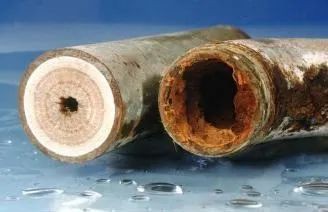
③ Corrosion and damage to internal parts such as the impeller and shaft sleeve of the shielded pump;
④ The unit experienced perforation of heat exchange tubes and blockage of shower plates, similar to blood vessel blockage and internal bleeding in the human body, resulting in insufficient blood supply.

When the circulation volume of the solution is insufficient, it will reduce the internal heat transfer performance and absorption capacity of the unit. Therefore, lithium bromide solution, like human blood, must be promptly treated if problems occur.
Frequently Asked Questions Presentation
We can visually see through the following pictures that the internal damage, corrosion, and blockage of the unit are caused by the problem of the solution.

Solution contaminated with a large amount of metal ions

Impurities generated by corrosion block the heat exchanger

Perforation of heat exchange tube
The quality problem of the solution poses a serious threat to the unit, but we cannot directly observe the internal situation of the unit. Therefore, it is necessary to regularly test the lithium bromide solution and analyze the quality of the solution.
Solution assay
Based on the test results of the solution, corresponding treatment methods and countermeasures are taken to solve various problems caused by poor solution quality. To ensure stable operation of the unit, extend its service life, and reduce the high maintenance costs and losses that users may bear.
Hot Tags: corrosion inhibitor for chiller, China, suppliers, manufacturers, customized, cheap, used, high quality, Lithium Bromide Solution, Corrosion Inhibitor For Chiller, Lithium Bromide Solution SDS, Free Lithium Bromide Solution Sample, Lithium Bromide Solution 48 55
You Might Also Like


Send Inquiry